

Mitral Valve Replacement Surgery in Pune
Pune Cardiac Centre provides mitral valve replacement and repair surgery in Pune, performed by Dr. Smruti Hindaria, Cardiovascular & Thoracic Surgeon and Cardiac Surgeon in Pune (MBBS, MS, MCh CVTS – Mumbai; Reg. No. 2009/03/1024).
The mitral valve controls blood flow between the left upper and lower chambers of the heart. When it becomes narrowed (mitral stenosis) or leaky (mitral regurgitation), it can cause breathlessness, tiredness, palpitations and swelling of the feet. In India, rheumatic heart disease is a common cause. When the valve cannot be repaired, it is replaced with a mechanical or tissue valve.
Care at the clinic includes review of echocardiography and other reports, discussion of repair versus replacement and valve options, surgical planning, post-operative follow-up and guidance on blood thinners.
What Is Mitral Valve Replacement Surgery?
Mitral Valve Replacement Surgery is a surgical procedure performed to treat mitral stenosis (narrowing of the valve) or severe mitral regurgitation (leaking of the valve) when the valve is too damaged to be repaired. During the procedure, the diseased mitral valve is removed and replaced with either a mechanical valve or a biological (tissue) valve, chosen based on the patient’s age, lifestyle, and overall health.
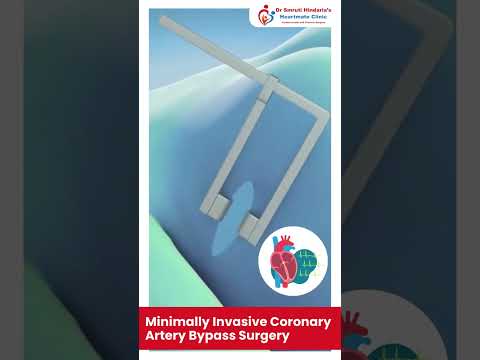
The procedure can be performed through traditional open-heart surgery or, in select cases, through a minimally invasive approach using smaller incisions, depending on the patient’s condition following a detailed cardiac evaluation.
Mitral Valve Repair vs Replacement
Where possible, repairing the patient’s own mitral valve is often preferred, especially for leaking valves caused by degenerative disease, because it preserves heart function and usually avoids lifelong blood thinners. Replacement is needed when the valve is too damaged to repair, which is common in rheumatic or heavily calcified valves. The decision is often finalised during surgery, after the surgeon examines the valve directly.
For some patients with mitral stenosis, balloon mitral valvotomy (performed by a cardiologist through a blood vessel, without surgery) may be an option. This is decided after echocardiography.
About the Surgeon
Dr. Smruti Hindaria
Cardiovascular & Thoracic Surgeon in Pune
- Qualifications: MBBS, MS, MCh (CVTS), Mumbai
- Reg. No.: 2009/03/1024 (Maharashtra Medical Council)
- Experience: 12+ years in practice
Performs bypass surgery (CABG), heart valve repair and replacement, aortic surgery, and minimally invasive and robotic-assisted cardiac surgery. Treatment options, risks and alternatives are explained at consultation before any decision on surgery.
For Appointment: +91 70667 16671Before and After Mitral Valve Surgery at Pune Cardiac Centre
Assessment of the mitral valve
Echocardiography (including TEE where needed), ECG, chest X-ray and coronary angiography are reviewed to assess valve damage and heart function.
Repair or replacement, and valve choice
Whether the valve can be repaired, and the choice between a mechanical and a tissue valve, are discussed based on your age, valve condition, heart rhythm and lifestyle.
Recovery and blood-thinner guidance
Pain management, wound care, follow-up visits and guidance on blood thinners and INR testing.
Written cost estimate
A cost estimate is shared before surgery, based on the valve type, technique, hospital and length of stay.
Conditions Treated
Conditions Treated with Mitral Valve Surgery
Mitral valve repair or replacement may be advised for:
- Severe mitral stenosis (narrowed valve)
- Severe Mitral Valve Regurgitation
- Severe mitral regurgitation (leaking valve)
- Rheumatic mitral valve disease
- Mitral valve prolapse with significant leakage
- Calcified or degenerated mitral valve
Types of Mitral Valve Surgery
The type of surgery and valve depends on the condition of the valve and the patient’s age and overall health.
Mitral Valve Repair
Repair of the patient’s own valve using techniques such as reshaping the leaflets and placing a supporting ring (annuloplasty). It is suitable mainly for leaking valves that are not severely damaged. .
Mechanical Valve Replacement
A man-made valve that usually lasts many years. Lifelong blood thinners and regular INR tests are needed.” Remove the stray “
Minimally Invasive Mitral Valve Surgery
Replaces the damaged valve through small chest incisions rather than a full sternotomy, reducing blood loss and supporting a faster recovery for selected patients.
Robotic-Assisted Mitral Valve Replacement
Mitral valve repair or replacement performed with robotic-assisted instruments through small incisions, in carefully selected patients
Possible Benefits of Mitral Valve Surgery
For patients with severe mitral valve disease, surgery can
- Relieve symptoms such as breathlessness, tiredness, palpitations and swelling.
- Reduce strain on the heart — caused by a narrowed or leaking valve.
- Lower the risk of heart failure progressing from untreated severe valve disease.
- Improve exercise tolerance and the ability to carry out daily activities.
- Offer valve options suited to the patient’s age and lifestyle.
Cost of Mitral Valve Replacement Surgery in Pune
The cost of mitral valve replacement surgery in Pune depends on whether the valve is repaired or replaced, the type of valve (mechanical or tissue), the surgical approach (open or minimally invasive), the hospital and room category, the length of stay and any tests required. A written cost estimate is provided after evaluation. Health insurance claims and EMI options through finance providers may be available, subject to eligibility.
FAQs
Frequently Asked Questions
Breathlessness (especially on exertion or when lying flat), tiredness, palpitations or irregular heartbeat, chest discomfort, swelling in the feet or ankles, and difficulty doing routine activities. Persistent or worsening symptoms should be evaluated by a heart specialist.
Patients with severe mitral stenosis or severe mitral regurgitation, especially with symptoms, reduced heart function or atrial fibrillation, may be advised surgery after evaluation of their symptoms and echocardiography. .
When the valve is suitable, repair is often preferred because it preserves the patient’s own valve and usually avoids lifelong blood thinners. Replacement is needed when the valve is too damaged to repair, as often happens with rheumatic disease. The surgeon decides based on echocardiography and the valve’s condition during surgery.
Mechanical valves are durable but need lifelong blood thinners. Tissue valves, made from animal tissue, usually need blood thinners only for a few months but may wear out over time. The choice depends on age, lifestyle, heart rhythm and medical history.
The operation usually takes about 3 to 5 hours. The time varies with the complexity of the valve disease and whether other procedures, such as bypass or AF ablation, are done at the same time.
Echocardiography (sometimes transoesophageal echo, TEE), ECG, chest X-ray, blood tests and coronary angiography (usually for patients over 40 or with risk factors) are commonly done. These help assess the valve and heart function and plan the surgery.
Risks include bleeding, infection, blood clots, irregular heartbeat, stroke, the need for a pacemaker, anaesthesia-related complications and, rarely, death. Your individual risks will be discussed before surgery.
Most patients stay in hospital for about [5–7] days, and full recovery takes about 6–12 weeks. Following the medication schedule, rehabilitation plan and lifestyle advice supports recovery.
With a mechanical valve, lifelong blood thinners and regular INR tests are needed. With a tissue valve or repair, blood thinners are usually needed for about three months. Patients with atrial fibrillation may need them long term, whatever the valve type.
The cost depends on repair vs replacement, valve type, surgical approach, hospital and length of stay. A written cost estimate is given after evaluation. Insurance and EMI options may be available.
Testimonials
What Patients Say About the Best Mitral Valve Surgeon in Pune
Real experiences from patients treated by Dr. Smruti Hindaria for mitral valve replacement, bypass surgery, and advanced cardiac care..
"Dr. Hindaria explained why replacement was necessary instead of repair and helped me understand my valve options clearly. My recovery after the surgery went smoothly."
Deepak N.
Mitral Valve Patient, Pune
"My wife's mitral valve surgery was handled with so much precision and care. The team kept us informed at every stage, and she's feeling much stronger now."
Sunita P.
Family of Mitral Valve Patient, Pimpri Chinchwad
"AI was nervous about undergoing valve replacement, but Dr. Hindaria's clear explanation of the minimally invasive option gave me real confidence. My recovery was quicker than I expected"
Kavita J.
Mitral Valve Patient, Pune /p>
Watch Expert's Guidance

Our Clinics
Clinic Locations for Mitral Valve Surgery Consultation in Pune.
the following
Pune Cardiac Centre - Jangali Maharaj Road
Om Chambers, 2nd Floor 206 & 207, Above Panchali Hotel,
Jangali Maharaj Rd, Pune, Maharashtra 411005
Pune Cardiac Centre - Pimpri Chinchwad
B, Gera Imperium Oasis, Survey No. 35/1 + 2/1, 210,
Old Mumbai - Pune Hwy, Pimpri Colony, Pimpri-Chinchwad, Maharashtra 411018