

- August 26, 2026
- By: heartmateclinic.com
- No Comments
Heart Bypass Surgery Recovery: Timeline, Diet & Precautions
Heart bypass surgery, also known as Coronary Artery Bypass Grafting (CABG), is one of the most effective procedures for restoring blood flow to the heart when coronary arteries become severely blocked. The surgery can significantly improve heart function, reduce chest pain, and lower the risk of heart attacks. However, the success of the procedure does not end in the operating room. Recovery after heart bypass surgery plays an equally important role in achieving long-term heart health and returning to normal daily activities.
Every patient’s recovery journey is different and depends on factors such as age, overall health, the number of bypass grafts performed, and the presence of other medical conditions. Understanding the recovery timeline, following a heart-healthy diet, taking prescribed medications, and adopting healthy lifestyle habits can help promote healing and reduce the risk of future heart problems.
What Is Heart Bypass Surgery?
Heart bypass surgery is a procedure performed to improve blood flow to the heart muscle by creating a new pathway around blocked or narrowed coronary arteries. During the operation, a healthy blood vessel is taken from another part of the body, such as the leg, chest, or arm, and used to bypass the blocked artery. This allows oxygen-rich blood to reach the heart more efficiently, relieving symptoms such as chest pain and improving overall heart function.
Although the surgery is highly successful, complete recovery takes time, and patients should understand what to expect during each stage of healing.
What Can You Expect Immediately After Heart Bypass Surgery?
Immediately after surgery, patients are transferred to the Intensive Care Unit (ICU), where they are closely monitored by a specialized cardiac care team. During this period, healthcare providers continuously assess heart rhythm, blood pressure, oxygen levels, and breathing. Most patients remain in the ICU for one or two days before moving to a regular hospital room once their condition stabilizes.
It is common to experience fatigue, mild discomfort around the incision, swelling, and temporary difficulty sleeping during the first few days. These symptoms gradually improve as the body begins to heal.
What Is the Recovery Timeline After Heart Bypass Surgery?
Recovery after heart bypass surgery occurs gradually over several weeks. During the first week, the primary focus is on pain management, wound healing, and regaining basic mobility. Patients are encouraged to sit up, walk short distances, and perform breathing exercises to reduce the risk of lung complications.
Between the second and sixth week, energy levels slowly improve, and patients become more independent in performing daily activities. Although light household tasks may be resumed, strenuous exercise, heavy lifting, and driving are usually avoided unless approved by the cardiac surgeon.
By six to twelve weeks, the breastbone and surgical incisions have healed significantly in most patients. Many individuals can gradually return to work, depending on the nature of their job, and begin participating in structured cardiac rehabilitation programs. Full recovery may take up to three months or longer for some individuals, particularly older adults or those with additional health conditions.
Why Is Cardiac Rehabilitation Important?
Cardiac rehabilitation is a medically supervised recovery program designed to help patients regain strength and improve cardiovascular health after heart bypass surgery. The program combines monitored exercise, nutritional guidance, medication management, and education about healthy lifestyle habits.
Participating in cardiac rehabilitation has been shown to improve physical fitness, reduce the risk of future heart disease, enhance emotional well-being, and increase confidence when returning to normal activities. It also helps patients understand how to manage risk factors such as high blood pressure, diabetes, obesity, and high cholesterol.
What Should You Eat After Heart Bypass Surgery?
A nutritious and balanced diet plays a vital role in recovery and long-term heart health. After heart bypass surgery, the goal is to support healing while reducing the risk of future artery blockage. A heart-healthy eating pattern should include fresh fruits, vegetables, whole grains, legumes, nuts, seeds, lean proteins, and low-fat dairy products. Healthy fats obtained from olive oil, avocados, and fatty fish such as salmon can also benefit heart function when consumed in moderation.
Patients should reduce their intake of saturated fats, trans fats, processed foods, refined sugar, and excess salt, as these can contribute to high cholesterol and elevated blood pressure. Drinking adequate water throughout the day supports circulation and overall recovery unless fluid restrictions have been advised by the treating physician.
Maintaining a healthy body weight through proper nutrition is equally important, as excess weight increases the workload on the heart and may delay recovery.
What Precautions Should You Follow After Heart Bypass Surgery?
Recovering safely requires following the advice provided by your cardiac surgeon and rehabilitation team. The breastbone needs adequate time to heal, making it important to avoid activities that place excessive strain on the chest. Smoking should be stopped completely, as tobacco significantly increases the risk of future heart disease and graft failure. Alcohol consumption should also be discussed with your healthcare provider.
Good sleep, stress management, regular follow-up appointments, and strict adherence to prescribed medications are essential aspects of recovery. Monitoring blood pressure, blood sugar, and cholesterol levels can further reduce the risk of future cardiovascular complications.
Frequently Asked Questions (FAQs)
- How long does it take to recover from heart bypass surgery?
Most patients recover within 6 to 12 weeks, although complete recovery may take up to three months or longer, depending on age, overall health, and the complexity of the surgery.
- What foods should I eat after heart bypass surgery?
A heart-healthy diet rich in fruits, vegetables, whole grains, lean proteins, legumes, nuts, and healthy fats is recommended while limiting salt, sugar, processed foods, and saturated fats.
- Is walking good after heart bypass surgery?
Yes. Walking is one of the safest and most beneficial exercises during recovery. It improves circulation, strengthens the heart, and is often included in cardiac rehabilitation programs.
- When can I return to work after CABG surgery?
Many people with desk-based jobs return to work within 6–8 weeks, while those with physically demanding jobs may require a longer recovery period. Always follow your surgeon’s advice.
- What precautions should I take after heart bypass surgery?
Follow your prescribed medications, attend follow-up appointments, avoid smoking, eat a healthy diet, avoid heavy lifting until cleared by your doctor, and participate in cardiac rehabilitation if recommended.
- What is the recovery timeline after heart bypass surgery?
Recovery usually progresses over 6–12 weeks, with gradual improvement in strength, mobility, and overall heart function. - What is the best diet after heart bypass surgery?
A balanced diet that emphasizes fruits, vegetables, whole grains, lean proteins, and healthy fats while reducing salt, sugar, and unhealthy fats supports recovery and long-term heart health. - Can I live a normal life after heart bypass surgery?
Yes. Most patients can return to normal daily activities and enjoy an active lifestyle by following medical advice, maintaining a healthy lifestyle, and attending regular follow-up appointments. - Is cardiac rehabilitation necessary after CABG surgery?
Cardiac rehabilitation is highly recommended because it improves physical fitness, supports recovery, reduces the risk of future heart disease, and helps patients adopt healthier lifestyle habits. - When should I call my doctor after heart bypass surgery?
Contact your healthcare provider immediately if you experience worsening chest pain, persistent shortness of breath, high fever, signs of wound infection, irregular heartbeat, or severe swelling in the legs.
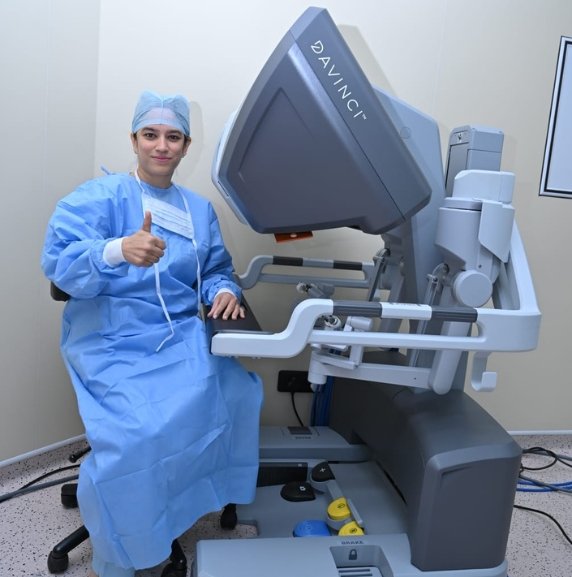
Dr. Smruti Hindaria
MBBS, MS GEN.Surgery,M.C.H cardiovascular & thoracic surgery
