
- September 21, 2026
- By: heartmateclinic.com
- No Comments
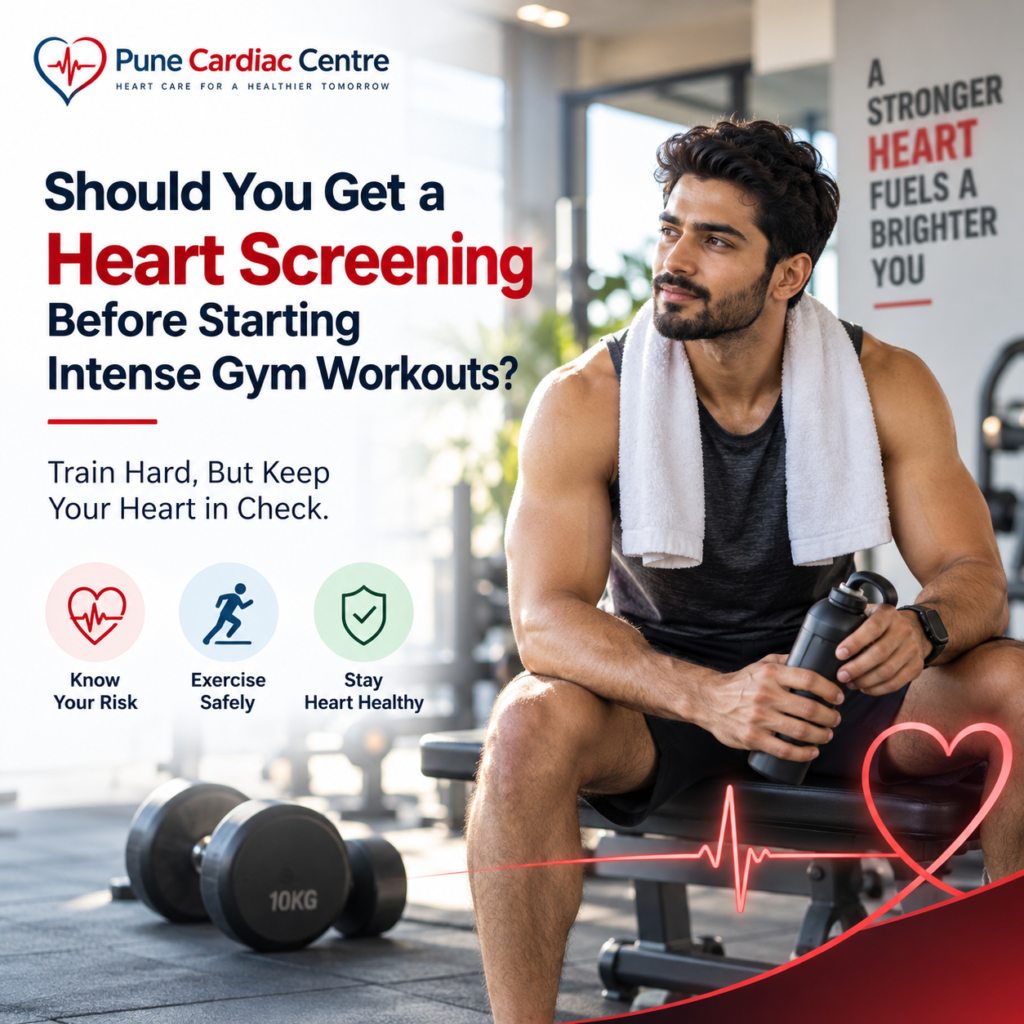
Should You Get a Heart Screening Before Starting Intense Gym Workouts?
Gyms across India are seeing a surge in people committing to high-intensity training—CrossFit, HIIT, heavy weightlifting, and marathon prep. Fitness culture is booming, and that’s largely a good thing. But alongside this rise, cardiologists are also seeing an uptick in cardiac events linked to intense, sudden exertion, particularly among people who skipped a basic heart check before diving in. So, before you sign up for that next-level training program, should you get your heart screened first? For many people, the answer is yes.
Why Heart Screening Matters Before Intense Exercise
Intense workouts place significant, sudden demand on your cardiovascular system—your heart rate spikes, blood pressure rises, and oxygen demand increases rapidly. For a healthy heart, this is manageable and even beneficial stress. But for someone with an undiagnosed heart condition, this sudden demand can trigger dangerous arrhythmias or reveal blockages that were previously silent.
The tricky part is that many underlying heart conditions produce no symptoms in daily life. You can feel completely fine walking, working, or doing light activity, yet still be at risk when you push into high-intensity zones.
Who Should Definitely Get Screened First?
While not everyone needs extensive cardiac testing before starting a workout routine, certain groups should prioritize it:
1. Anyone With a Family History of Heart Disease
If a parent, sibling, or close relative experienced a heart attack, cardiac arrest, or sudden unexplained death—especially before age 50—screening is strongly recommended before intense training.
2. People Over 35 Starting Intense Training for the First Time
Age increases the likelihood of underlying coronary artery changes, even without obvious symptoms. Starting high-intensity training after a sedentary lifestyle warrants a baseline check.
3. Individuals With Risk Factors
High blood pressure, high cholesterol, diabetes, obesity, or smoking history all increase cardiovascular risk and make screening before intense exertion a sensible precaution.
4. Anyone With Unexplained Symptoms
Fainting, dizziness, chest discomfort, palpitations, or unusual shortness of breath—even if mild or infrequent—should be evaluated before starting demanding physical training.
5. People Recovering From Viral Illness
Infections, including COVID-19, can cause temporary heart muscle inflammation (myocarditis). Jumping into intense exercise too soon after illness can be risky, making a check-up a wise step.
6. Athletes Returning After a Long Break
Restarting intense training after months or years of inactivity puts unexpected strain on a deconditioned cardiovascular system, making screening a smart safeguard.
What Does a Pre-Workout Heart Screening Involve?
A comprehensive cardiac screening typically includes:
- Physical examination and medical history review – including family history of heart disease
- ECG (Electrocardiogram) – to detect electrical rhythm abnormalities
- Echocardiogram – to assess heart structure and function
- Blood pressure and cholesterol testing – to identify cardiovascular risk factors
- Stress test (if indicated) – to observe how your heart responds under exertion
For individuals with concerning symptoms or family history, additional tests like a cardiac MRI or genetic screening may be recommended.
Is Screening Necessary for Everyone?
Not every gym-goer needs an extensive cardiac workup. Young, healthy individuals with no symptoms, no concerning family history, and a gradual approach to increasing intensity are generally at low risk. However, “low risk” isn’t “no risk”—and a basic screening is a small investment compared to the potential consequences of an undiagnosed condition surfacing during intense exertion.
The Danger of “I Feel Fine” Thinking
One of the most common misconceptions is that feeling physically fit or symptom-free means your heart is completely healthy. Many serious heart conditions, including structural abnormalities and electrical disorders, remain silent until triggered by an intense physical demand. This is why sudden cardiac events sometimes happen to people who appeared to be in excellent shape.
How to Approach Intense Training Safely
- Get a baseline screening if you fall into any higher-risk category
- Increase training intensity gradually rather than jumping straight into extreme programs
- Stay well-hydrated and prioritize adequate recovery and sleep
- Never ignore symptoms like chest discomfort, dizziness, or palpitations during workouts
- Inform your trainer or gym about any known health conditions
Final Thoughts
Starting intense workouts is a great goal for your long-term health, but it shouldn’t come at the cost of ignoring your heart’s baseline condition. A simple screening can provide peace of mind or, in some cases, catch a hidden risk before it becomes a life-threatening event. If you fall into any higher-risk category, talk to a cardiologist before your next intense training session.
Frequently Asked Questions (FAQs)
- Do I need a heart screening before starting gym workouts? It’s especially recommended if you have a family history of heart disease, are over 35, have risk factors like high blood pressure, or experience unexplained symptoms.
- What tests are included in a pre-workout heart screening? Typically an ECG, echocardiogram, blood pressure and cholesterol checks, and sometimes a stress test depending on individual risk factors.
- Can a healthy-looking person have a hidden heart condition? Yes, many structural and electrical heart conditions produce no symptoms until triggered by intense physical exertion.
- Is it safe to start intense training after recovering from COVID-19? It’s advisable to get cleared by a doctor first, as COVID-19 can cause temporary heart inflammation that increases exertion-related risk.
- How often should athletes get their heart screened? This depends on individual risk factors, but annual screening is often recommended for those with risk factors or a family history of heart disease.
People Also Ask
- Can intense workouts cause a heart attack in healthy people? Intense exertion is more likely to trigger a cardiac event in someone with an undiagnosed underlying condition rather than in a truly healthy heart.
- What are the signs I should stop exercising immediately? Chest pain, dizziness, fainting, irregular heartbeat, or unusual shortness of breath during exercise are signs to stop and seek medical evaluation.
- Is an ECG enough to detect heart problems before starting gym training? An ECG is a good starting point, but some conditions require additional tests like an echocardiogram or stress test for accurate detection.
- At what age should you start getting regular heart check-ups? Many cardiologists recommend baseline screening by your mid-30s, or earlier if you have risk factors or a family history of heart disease.
- Does family history of heart disease affect workout intensity recommendations? Yes, a strong family history may warrant more cautious, gradually increasing training intensity along with prior cardiac screening.
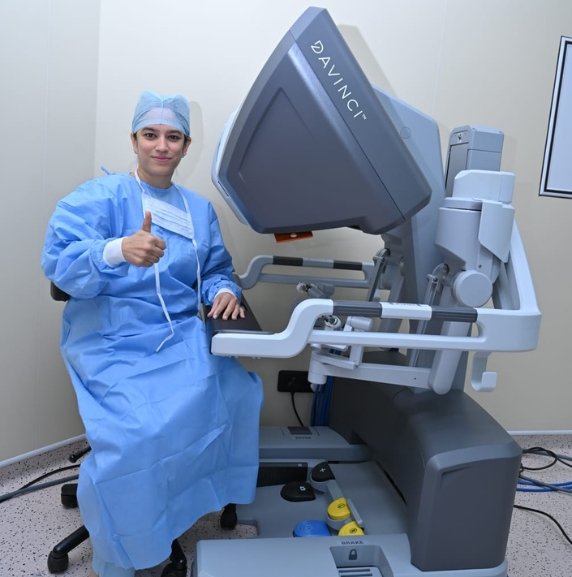
Dr. Smruti Hindaria
MBBS, MS GEN.Surgery,M.C.H cardiovascular & thoracic surgery
