

- August 13, 2026
- By: heartmateclinic.com
- No Comments
Is Robotic Heart Surgery Better Than Open Heart Surgery? Benefits, Risks & Differences
Heart surgery has advanced significantly over the past few decades, offering patients safer procedures, faster recovery, and improved outcomes. While traditional open heart surgery has long been considered the standard approach for treating many complex heart conditions, modern technology has introduced robotic heart surgery as a minimally invasive alternative for selected patients. Both procedures are effective, but the most suitable option depends on the patient’s medical condition, overall health, and the type of heart disease being treated.
Understanding the differences between robotic heart surgery and open heart surgery can help patients and their families make informed decisions in consultation with an experienced cardiac surgeon.
What Is Robotic Heart Surgery?
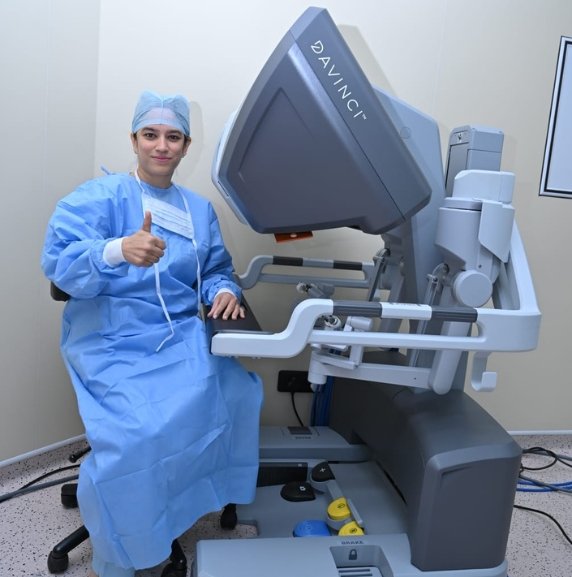
Robotic heart surgery is an advanced form of minimally invasive cardiac surgery performed using robotic-assisted technology. During the procedure, the surgeon controls robotic arms equipped with specialized surgical instruments through a computer console. Instead of making a large incision through the breastbone, several small incisions are created between the ribs to access the heart.
The robotic system provides high-definition, three-dimensional visualization and allows surgeons to perform highly precise movements that may not be possible with the human hand alone. This advanced technology enables many heart procedures to be completed with minimal disruption to surrounding tissues, resulting in a less invasive surgical experience for eligible patients.
What Is Open Heart Surgery?
Open heart surgery is a traditional surgical procedure in which the surgeon makes a larger incision in the chest and divides the breastbone (sternum) to reach the heart. In many cases, the patient is connected to a heart-lung bypass machine that temporarily takes over the function of the heart and lungs while the surgery is performed.
Open heart surgery remains the preferred treatment for many complex cardiac conditions, including multiple blocked coronary arteries, advanced valve disease, congenital heart defects, and combined cardiac procedures. It has been performed successfully for decades and continues to provide excellent long-term outcomes.
How Are Robotic Heart Surgery and Open Heart Surgery Different?
Although both procedures aim to treat heart disease effectively, they differ in their surgical approach, recovery process, and patient experience. Robotic heart surgery is performed through small incisions using robotic technology, while open heart surgery requires a larger chest incision and opening of the breastbone. Because robotic surgery causes less tissue damage, patients often experience less postoperative pain, reduced blood loss, smaller scars, and a quicker return to daily activities. Open heart surgery, however, provides surgeons with direct access to the heart, making it the preferred option for patients with more complex or multiple cardiac conditions.
The choice between these procedures depends not only on the technology available but also on the patient’s overall health, the complexity of the heart condition, and the surgeon’s expertise.
What Are the Benefits of Robotic Heart Surgery?
Robotic heart surgery has become increasingly popular because it combines advanced technology with minimally invasive techniques. Patients who are suitable candidates often experience faster healing due to the smaller incisions used during the procedure. Reduced trauma to the chest muscles and bones generally results in less postoperative pain and a lower risk of infection. Because there is usually less blood loss during surgery, the need for blood transfusions may also be reduced.
Many patients undergoing robotic heart surgery spend fewer days in the hospital and are able to return to normal activities sooner than those recovering from traditional surgery. The smaller surgical scars are another advantage, especially for individuals concerned about cosmetic outcomes. Additionally, robotic technology allows surgeons to perform delicate procedures with exceptional precision and enhanced visualization.
What Are the Benefits of Open Heart Surgery?
Despite advances in minimally invasive techniques, open heart surgery continues to be the gold standard for treating many serious heart conditions. The traditional approach allows surgeons direct access to the heart, making it possible to perform complex procedures with excellent visibility and control. Patients with extensive coronary artery disease, multiple valve disorders, severe structural abnormalities, or emergency cardiac conditions often benefit most from open heart surgery.
Because this technique has been refined over many decades, it has an extensive record of safety and long-term success. For patients with complicated heart disease, open heart surgery often remains the most reliable and effective treatment option.
Who Is a Good Candidate for Robotic Heart Surgery?
Not every patient is suitable for robotic heart surgery. Individuals with early-stage valve disease, selected coronary artery blockages, atrial septal defects, or certain heart rhythm disorders may benefit from a robotic-assisted procedure. The decision depends on several factors, including the patient’s age, overall health, previous surgeries, heart anatomy, and the severity of the disease.
Before recommending robotic surgery, the cardiac surgeon performs a comprehensive evaluation using imaging studies, diagnostic tests, and a detailed medical assessment to determine whether the procedure is appropriate and safe.
How Does Recovery Differ Between the Two Procedures?
Recovery is one of the most significant differences between robotic heart surgery and open heart surgery. Because robotic procedures avoid dividing the breastbone, patients usually experience less discomfort and recover more quickly. Many return to light daily activities within a few weeks, depending on the procedure performed and their overall health.
Open heart surgery generally requires a longer recovery because the breastbone needs time to heal. Full recovery often takes several weeks to a few months, during which patients gradually increase physical activity under medical supervision. Participation in a structured cardiac rehabilitation program is frequently recommended to improve strength, endurance, and long-term heart health.
Frequently Asked Questions
Is robotic heart surgery safer than open heart surgery?
For carefully selected patients, robotic heart surgery is considered safe and offers benefits such as less pain, smaller incisions, and faster recovery. However, open heart surgery may be safer for complex cardiac conditions.
How long does recovery take after robotic heart surgery?
Many patients recover within a few weeks, although recovery time depends on the specific procedure and overall health.
Is robotic heart surgery painful?
Because robotic surgery uses smaller incisions and avoids dividing the breastbone, patients generally experience less postoperative pain compared with traditional open heart surgery.
Can everyone have robotic heart surgery?
No. Eligibility depends on the patient’s heart condition, anatomy, medical history, and the surgeon’s assessment.
Which surgery has a higher success rate?
Both robotic and open heart surgery have high success rates when performed for the appropriate medical condition by experienced cardiac surgeons.
Is robotic heart surgery better than open heart surgery?
Robotic heart surgery offers faster recovery and smaller incisions for suitable patients, while open heart surgery remains the preferred option for many complex heart conditions.
What are the advantages of robotic heart surgery?
The main advantages include smaller incisions, less pain, reduced blood loss, lower infection risk, shorter hospital stays, and faster recovery.
Who is eligible for robotic heart surgery?
Eligibility depends on the type of heart disease, overall health, previous surgeries, and detailed evaluation by a cardiac surgeon.
How long does it take to recover from open heart surgery?
Recovery usually takes 6 to 12 weeks, although complete healing may take longer depending on the patient’s health and the procedure performed.
Is robotic heart surgery available for bypass surgery?
Yes. In selected cases, robotic-assisted coronary artery bypass surgery (CABG) may be performed, but not all patients are suitable candidates. Consultation with an experienced cardiac surgeon is essential to determine the best treatment option.
Dr. Smruti Hindaria
MBBS, MS GEN.Surgery,M.C.H cardiovascular & thoracic surgery
