
- August 4, 2026
- By: heartmateclinic.com
- No Comments
10 Early Warning Signs of Heart Disease You Should Never Ignore
Heart disease remains one of the leading causes of illness and death worldwide, affecting millions of people each year. While many individuals associate heart disease with sudden heart attacks, the condition often develops gradually and presents subtle warning signs long before a medical emergency occurs. Recognizing these early symptoms and seeking timely medical attention can significantly reduce the risk of serious complications and improve long-term heart health.
Heart disease includes a range of conditions that affect the heart and blood vessels, such as coronary artery disease, heart valve disorders, heart failure, arrhythmias, and congenital heart conditions. Although symptoms may vary depending on the specific condition, many people experience common warning signs that should never be ignored.
What Is Heart Disease?
Heart disease refers to a group of cardiovascular conditions that affect the normal functioning of the heart. These conditions can interfere with the heart’s ability to pump blood efficiently throughout the body, leading to reduced oxygen supply to vital organs. Factors such as high blood pressure, high cholesterol, diabetes, obesity, smoking, lack of physical activity, chronic stress, and a family history of heart disease can significantly increase the risk of developing cardiovascular problems.
Early diagnosis allows doctors to recommend lifestyle modifications, medications, or advanced cardiac treatments before permanent heart damage occurs. Understanding the warning signs is the first step toward protecting your heart.
Why Is It Important to Recognize the Early Warning Signs of Heart Disease?
Many people dismiss mild symptoms as fatigue, indigestion, stress, or aging. However, these seemingly minor changes may indicate that the heart is not functioning properly. Identifying symptoms early allows healthcare providers to diagnose heart disease sooner, begin appropriate treatment, and reduce the risk of heart attack, stroke, heart failure, or sudden cardiac arrest. Prompt medical care often leads to better treatment outcomes and improved quality of life.
What Are the 10 Early Warning Signs of Heart Disease You Should Never Ignore?
One of the earliest and most recognizable symptoms of heart disease is chest pain or discomfort, often described as pressure, tightness, heaviness, or a squeezing sensation in the chest. This discomfort may occur during physical activity or emotional stress and usually improves with rest. However, persistent or severe chest pain should always be treated as a medical emergency.
Another common warning sign is shortness of breath. If you become breathless while performing simple daily activities or while resting, it may indicate that your heart is struggling to pump blood efficiently. Shortness of breath may also occur when lying flat or during sleep.
What Causes Heart Disease?
Heart disease develops due to a combination of genetic, medical, and lifestyle factors. High blood pressure, elevated cholesterol levels, diabetes, obesity, smoking, excessive alcohol consumption, chronic stress, poor dietary habits, and a sedentary lifestyle all contribute to damage of the heart and blood vessels over time. Age and family history also play significant roles, making regular health screenings increasingly important as individuals grow older.
How Is Heart Disease Treated?
Treatment depends on the type and severity of heart disease. Many patients benefit from lifestyle modifications such as eating a heart-healthy diet, exercising regularly, maintaining a healthy weight, quitting smoking, reducing stress, and controlling blood pressure and cholesterol levels. Medications may be prescribed to manage blood pressure, cholesterol, heart rhythm disorders, or blood clotting. In more advanced cases, procedures such as angioplasty, stent placement, bypass surgery, pacemaker implantation, or valve repair may be recommended to restore normal heart function and improve quality of life.
Can Heart Disease Be Prevented?
Although not every case can be prevented, adopting healthy lifestyle habits significantly lowers the risk of developing heart disease. A balanced diet rich in fruits, vegetables, whole grains, lean proteins, and healthy fats supports cardiovascular health. Regular physical activity, avoiding tobacco products, limiting alcohol intake, managing stress, controlling diabetes, and attending regular medical checkups are equally important in preventing heart-related complications. Early management of high blood pressure and cholesterol can also reduce the likelihood of heart attacks and strokes.
Frequently Asked Questions (FAQs)
- What is the first warning sign of heart disease?
Chest pain or discomfort is often the first and most common warning sign, although symptoms may vary from person to person.
- Can heart disease develop without symptoms?
Yes. Some forms of heart disease develop silently, which is why regular health screenings are essential, especially for individuals with risk factors.
- Are heart disease symptoms different in women?
Yes. Women are more likely to experience symptoms such as unusual fatigue, nausea, jaw pain, back pain, and shortness of breath instead of classic chest pain.
- Can lifestyle changes reduce the risk of heart disease?
Yes. A healthy diet, regular exercise, quitting smoking, managing stress, and controlling blood pressure, diabetes, and cholesterol significantly reduce the risk of heart disease.
- When should I seek emergency medical attention?
Seek immediate medical care if you experience severe chest pain, pain spreading to the arm or jaw, difficulty breathing, sudden dizziness, or loss of consciousness.
- What are the earliest signs of heart disease?
Early signs include chest pain, shortness of breath, unusual fatigue, irregular heartbeat, dizziness, swelling in the legs, and pain radiating to the arm, neck, or jaw. - Can heart disease be prevented?
Many cases of heart disease can be prevented by maintaining a healthy lifestyle, controlling blood pressure and cholesterol, exercising regularly, and avoiding smoking. - Who is at higher risk of heart disease?
People with diabetes, high blood pressure, obesity, high cholesterol, a family history of heart disease, or unhealthy lifestyle habits have a higher risk. - When should I see a cardiologist?
You should consult a cardiologist if you experience persistent chest pain, breathlessness, irregular heartbeat, unexplained fatigue, or have multiple cardiovascular risk factors. - Which tests are used to diagnose heart disease?
Doctors commonly use ECG, echocardiography, stress tests, blood tests, CT coronary angiography, cardiac MRI, and coronary angiography to diagnose heart disease.
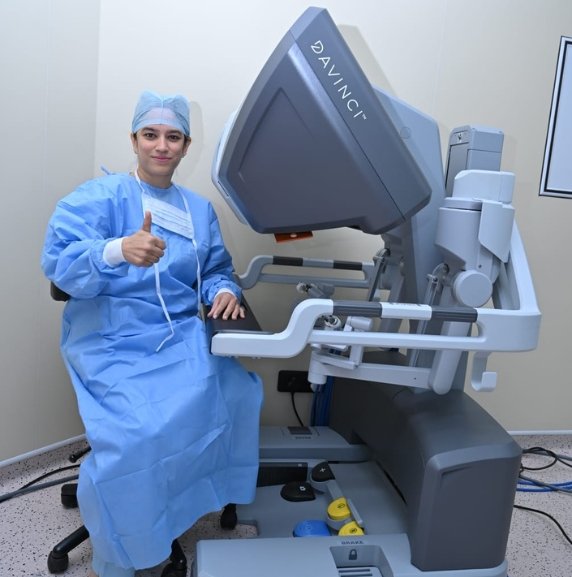
Dr. Smruti Hindaria
MBBS, MS GEN.Surgery,M.C.H cardiovascular & thoracic surgery
