

- July 28, 2026
- By: heartmateclinic.com
- No Comments
Heart Bypass Surgery (CABG): When It’s Needed, Procedure & Recovery
When I tell a patient they need bypass surgery, the first reaction is almost always fear. That’s completely natural — the words “open-heart surgery” sound frightening. But I always reassure them of this: heart bypass surgery is one of the most common, well-established, and successful operations in all of medicine, with success rates of around 95–98% in experienced hands. It relieves symptoms, prevents heart attacks, and gives people back years of healthy, active life. In this guide, I’ll walk you through exactly what bypass surgery involves, so the unknown feels a lot less daunting.
What is heart bypass surgery (CABG)?
Coronary Artery Bypass Grafting (CABG), commonly called bypass surgery, is a procedure to restore healthy blood flow to a heart supplied by blocked arteries. Rather than clearing the blockage, I take a healthy blood vessel from elsewhere in your body — most often the internal mammary artery from the chest, a vein from the leg, or an artery from the arm — and use it to create a new pathway, or graft, that carries blood around the blocked section of the artery.
When is bypass surgery needed?
Bypass surgery is generally recommended when blockages are too severe or numerous to be safely managed by angioplasty or medication alone. The main indications include multiple blocked arteries (multivessel disease), left main artery disease, blockages that are long, complex, or heavily calcified, diabetic patients with multivessel disease, weakened heart pumping function, and cases where a previous angioplasty has failed. In these situations, bypass offers the most complete and lasting solution.
Types of bypass surgery
The number of grafts depends on how many arteries are blocked — you may hear the terms single, double, triple, or quadruple bypass. There are also different techniques. On-pump surgery uses a heart-lung machine while the heart is temporarily stopped, whereas off-pump (beating-heart) surgery is performed on a still-beating heart — a technique very widely used in India. And increasingly, I’m able to offer minimally invasive and robotic CABG, which uses small incisions instead of fully opening the chest, resulting in less pain and a faster recovery for suitable patients.
How is bypass surgery performed?
The operation is done under general anaesthesia, so you feel nothing, and typically takes three to six hours depending on the number of grafts. First, the healthy graft vessels are prepared. The heart is then accessed — traditionally through the breastbone, or through smaller incisions in minimally invasive cases. I attach each graft to create new routes around the blockages, carefully check the blood flow, and then close the chest. Afterwards, you’re moved to the intensive care unit for close monitoring during the first phase of recovery.
Is bypass surgery safe?
This is the question I’m asked most, and my answer is genuinely reassuring: in the hands of an experienced cardiac surgical team, bypass surgery is very safe, with success rates of around 95–98%. As with any major surgery there are risks, and these are slightly higher in emergencies or when other conditions like kidney disease or diabetes are present — but for the vast majority of patients, the benefits far outweigh the risks. This is precisely why surgical experience matters.
Recovery after bypass surgery
Recovery is a gradual, steady process. You’ll spend one to two days in the ICU and a total of about five to seven days in hospital (often less after minimally invasive surgery). Most patients can walk within a few days. Full recovery, including healing of the breastbone, usually takes about six to twelve weeks, during which a structured cardiac rehabilitation programme is invaluable. Most people return to work and normal activities within six to twelve weeks, and I guide each patient personally through this journey.
Life after bypass surgery
Here’s the most encouraging part: after recovery, most patients feel dramatically better and remain symptom-free for 10 to 15 years or more. But bypass surgery reroutes blood — it doesn’t cure the underlying disease. To protect your new grafts and your heart, lifelong habits matter: taking your prescribed medicines (including daily aspirin), controlling blood pressure, cholesterol, and diabetes, eating a heart-healthy diet, exercising regularly, and never smoking. Look after your grafts, and they’ll look after you.
Bypass surgery cost in India
Cost naturally weighs on patients’ minds. In India, bypass surgery generally ranges from about ₹1.5 lakh to ₹4 lakh, and higher for minimally invasive or robotic procedures, depending on the number of grafts, the technique, and the hospital. Most health insurance policies cover bypass surgery, and at Pune Cardiac Centre we also offer flexible EMI options to make this life-saving care more affordable. We’ll always give you a clear estimate after reviewing your reports.
Why choose an experienced bypass surgeon
Bypass surgery is precision work, and outcomes are closely tied to the surgeon’s experience. With over 12 years of dedicated cardiac surgical practice and more than 1,500 heart operations, I focus on safe, precise, and where possible minimally invasive care — tailored to each patient’s unique heart.
Expert bypass surgery at Pune Cardiac Centre
If you or a loved one has been advised to undergo bypass surgery, I’m here to help you understand your options and move forward with confidence — including a thorough second opinion. Pune Cardiac Centre is located on JM Road, Pune and in Pimpri Chinchwad, with 24/7 emergency cardiac care.
📞 Book a consultation: +91 70667 16671 · Pune Cardiac Centre — JM Road & Pimpri Chinchwad
Frequently Asked Questions
- How long does bypass surgery take?
The operation usually takes three to six hours, depending on how many grafts (bypasses) are needed. - Is bypass surgery a major operation?
Yes, it’s major heart surgery, but it’s also one of the most common and successful, with success rates around 95–98% in experienced hands. Minimally invasive options are available for suitable patients. - How long does it take to recover from bypass surgery?
Most patients spend 5–7 days in hospital and take about 6–12 weeks for full recovery, including breastbone healing. Minimally invasive surgery usually means a faster recovery. - How long does a bypass last?
Most patients remain symptom-free for 10–15 years or more. Arterial grafts, like the internal mammary artery graft, tend to last the longest. - What is the cost of bypass surgery in India?
It generally ranges from about ₹1.5 lakh to ₹4 lakh, and more for minimally invasive or robotic surgery, depending on grafts, technique, and hospital. Insurance and EMI options are often available. - Can you live a normal life after bypass surgery?
Yes. Most people return to a full, active life. Maintaining medication, a healthy diet, exercise, and not smoking protects your grafts long term. - Is bypass surgery painful?
The surgery is done under general anaesthesia, so you feel no pain during it. Some discomfort during recovery is normal and is well managed with medication. - What is triple bypass surgery?
It simply means three grafts are created to bypass three blocked arteries. The number (single, double, triple, quadruple) reflects how many arteries are bypassed.
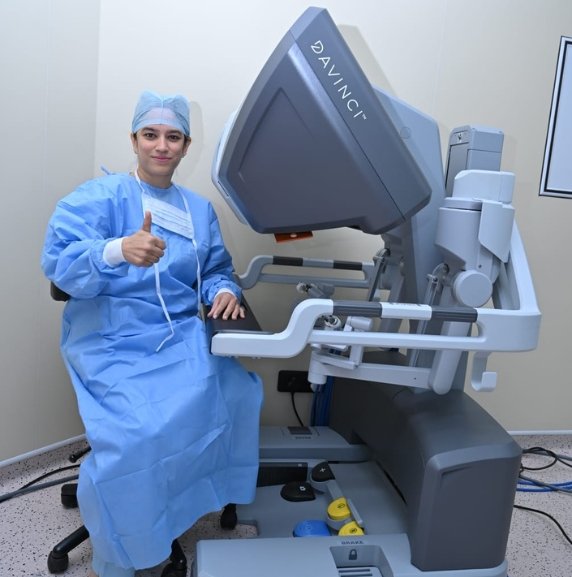
Dr. Smruti Hindaria
MBBS, MS GEN.Surgery,M.C.H cardiovascular & thoracic surgery
